Tuesday, May 5, 2026
Physical AI: when robotics embeds AI in the real world
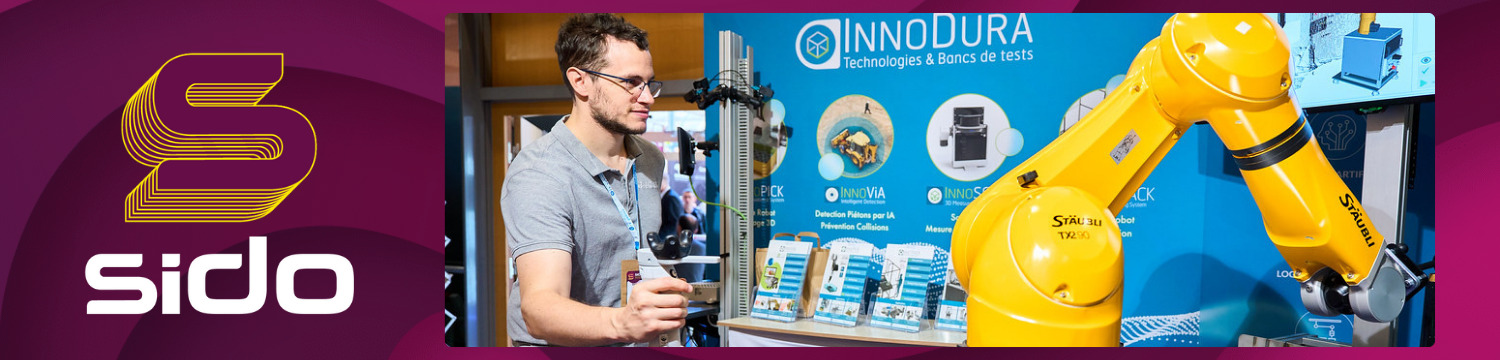
Artificial intelligence (AI) has long been associated with algorithms operating in the cloud or through digital interfaces. However, a silent revolution is underway: AI is now embodied in machines that can act, interact and adapt in the physical world. This convergence between AI and robotics gives rise to what is called « Physical AI », a new technological frontier where systems become autonomous, mobile, perceptive and intelligent.
The emergence of Physical AI
Physical AI represents a major development in the field of robotics. It allows machines to understand and master the laws of the real world, giving them the ability to learn, adapt and interact with their environment in an autonomous and realistic way. From digital twins to surgical robots, humanoid robots and autonomous vehicles, this technology paves the way for revolutionary applications in various sectors.
A transformation of the physical capacities of machines
The integration of AI into robotic systems is profoundly transforming their physical capabilities. Examples include: Humanoid Robots: These robots, with learning and coping capabilities, can perform complex tasks in a variety of environments, from assisting the elderly to participating in rescue operations. Autonomous vehicles: Autonomous cars use AI to perceive their environment, make real-time decisions and navigate safely, reducing the risk of accidents caused by human error. Surgical Robots: In medicine, AI-assisted robots enable more accurate and less invasive surgical procedures, improving patient outcomes and reducing recovery times. Digital Twins: These virtual replicas of physical systems enable the simulation, analysis and optimization of machine performance prior to deployment in the real world, reducing the costs and risks associated with physical testing.
What are the main technical challenges of Physical AI?
Despite impressive advances, several technical challenges still need to be addressed to enable AI to operate effectively in uncertain physical environments: Real-time processing: Physical AI systems need to be able to process data in real time to make fast and accurate decisions. This requires optimized hardware and software architectures to minimize latency. Adaptation to dynamic environments: Machines must be able to adapt to changing and unpredictable environments. This involves the development of continuous learning algorithms and advanced perception mechanisms. Security and reliability: The security of Physical AI systems is crucial, especially when interacting with humans. Machines must be designed to operate reliably and safely, even in adverse conditions.Hardware and software integration: Machine autonomy is based on harmonious integration between hardware and software. Architectures need to be designed to handle heavy workloads while remaining energetically efficient. Physical AI represents a major breakthrough in robotics, paving the way for machines that can interact intelligently and autonomously with the physical world. While technical challenges remain, progress in this area has the potential to transform many sectors, bringing significant improvements in efficiency, accuracy and safety. As this technology continues to evolve, we can expect to see new applications and opportunities emerge, shaping the future of human-machine interaction.
See the dedicated conference: 17 September at 12h
Physical AI: when robotics embeds AI in the real world With the participation of:
Alain BENSOUSSAN – President – Lexing Avocats
Maxime ROBIN – President – Innodura
Florian NEBOUT – Product & Ecosystem Director – Enchanted Tools
Emanuela GIRARDI – President – The AI Data Robotics Association (ADRA)
Vincent NGUYEN QUANG DO – System Architect for Embedded
David GAL-REGNIEZ – Technical Director Content & Uses – Minalogic
Sign up to visit SIDO Lyon on 17 and 18 September Learn more about the Innorobo by SIDO space